
A Coast Worth Keeping
Tidewater Foundation replants salt marsh, rebuilds oyster reefs and clears the beaches
along 140 miles of the Brackenmoor estuary. Every gift is costed, and we publish what it
bought.
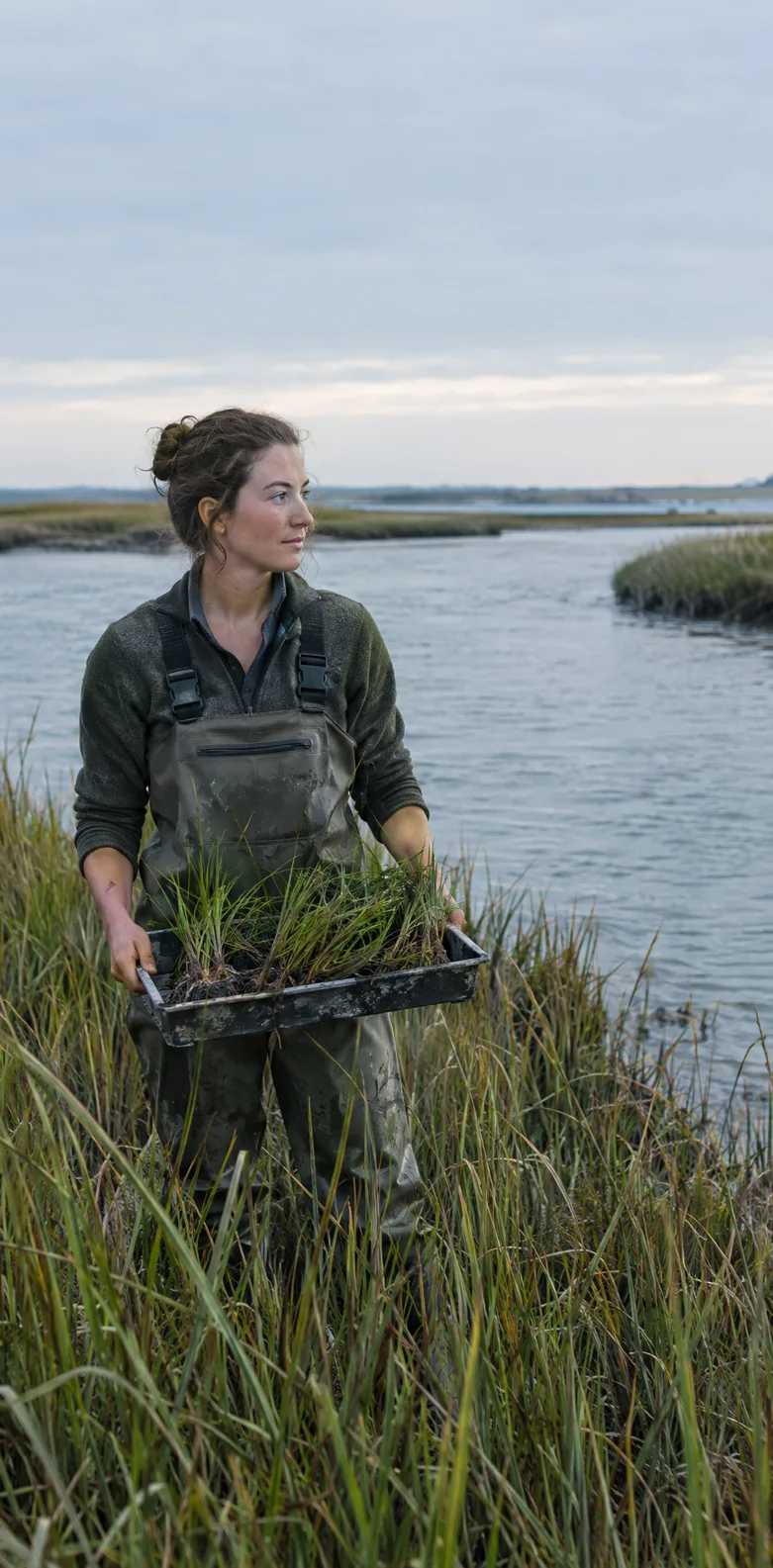
Salt marsh takes the force out of a storm surge, stores carbon and feeds everything that swims. The Brackenmoor estuary has lost two thirds of its marsh since 1950.
We buy back tidal land, replant it, rebuild the oyster reefs that hold it in place and keep
the beaches clear.
Every programme is measured on the ground, and the numbers below are last year's.
Every programme is measured on the ground, and the numbers below are last year's.
412
Acres of marsh replanted
2.1m
Oysters back on the reefs
86p
Of every pound goes to the work
1,940
Volunteer days last year
PLANT

THE MARSH
REBUILD THE
REEFS
CLEAR
THE BEACH
GIVE
TO TIDEWATER
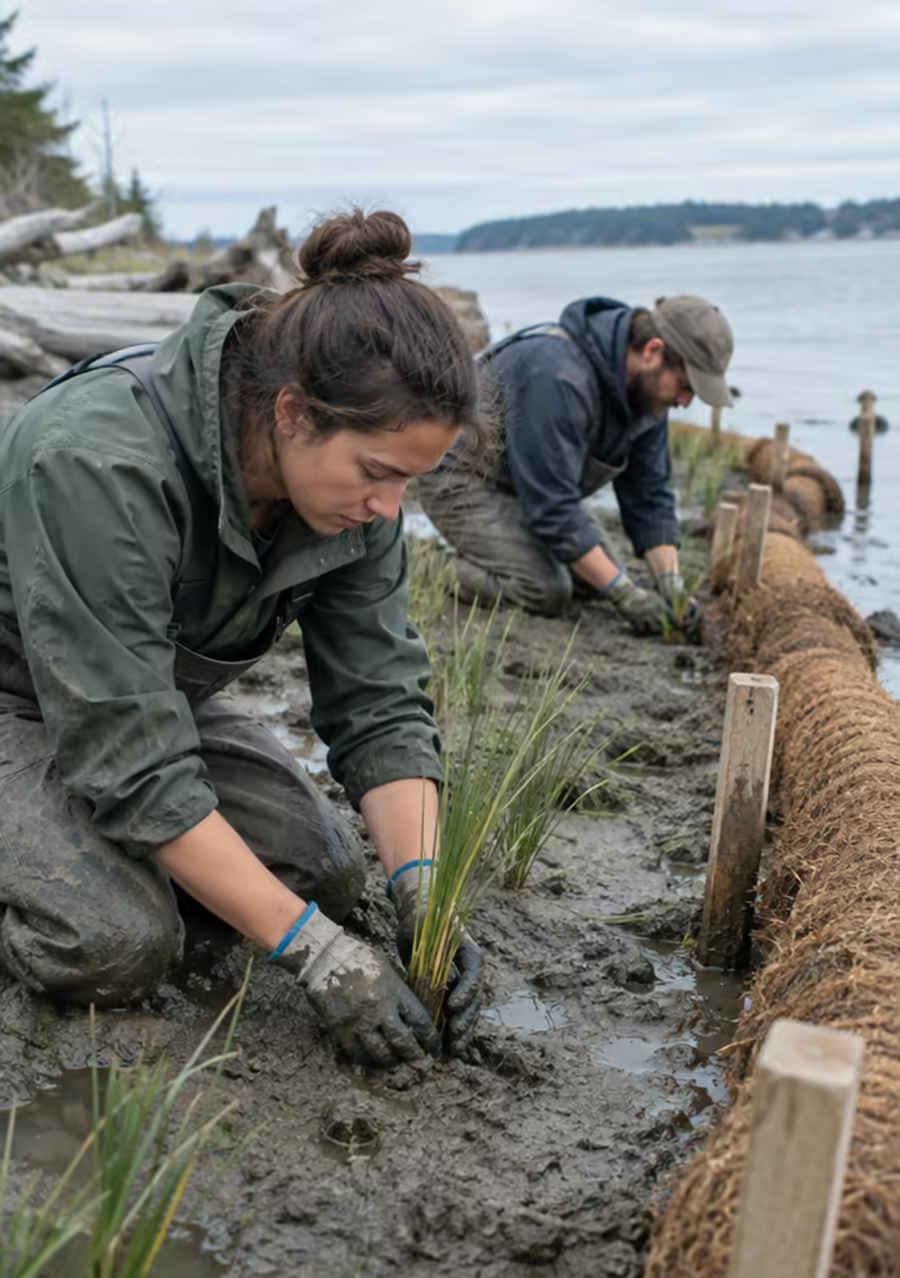
Salt Marsh Planting
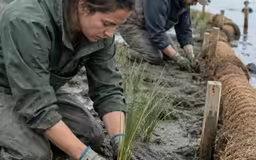
Volunteers plant cordgrass plugs behind coir rolls on banks that are washing away, then come back every spring for three years to count what took.
412 acres replanted since 2019, and 88 per cent of it still standing.
412 acres replanted since 2019, and 88 per cent of it still standing.
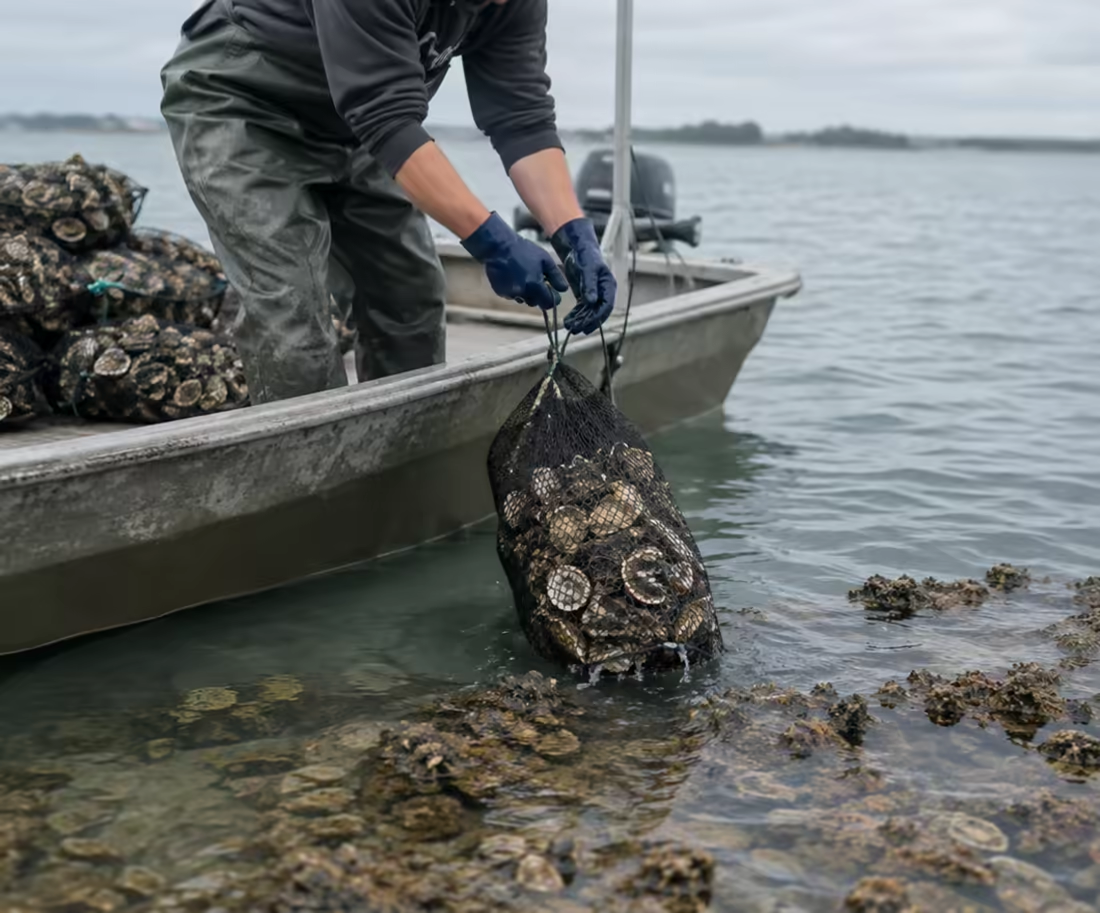
Oyster Reefs
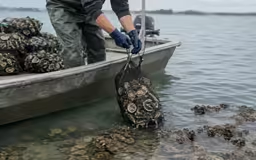
A mature reef filters two hundred litres of water a day and holds the shoreline where it is. Restaurants along the estuary save their shell for us; we cure it in the open air for a year, then put it back.
2.1 million oysters returned so far.
2.1 million oysters returned so far.
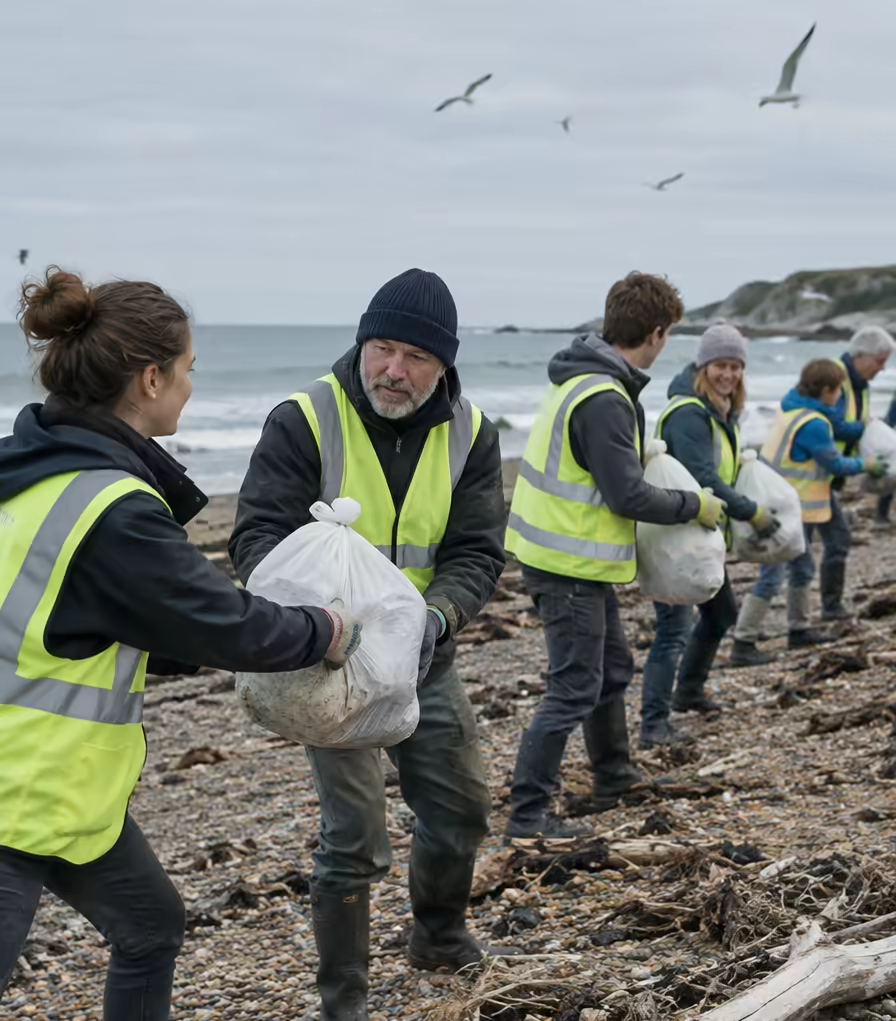
Beach Clean-Ups
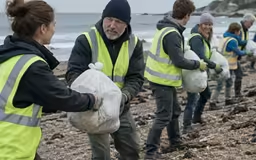
Sixty-two clean-ups a year, from the harbour wall to the far spit. Everything that comes off the beach is weighed and sorted before it leaves, and what we find goes in the annual report — including the things we would rather not print.
The work is done by people who live here. These are five of them — a warden, two volunteers, a fisherman and the donor who asked us where his money went.
“Tidewater gave us the plants and the plan. The bank stopped washing away the first winter.”
Nell Ardwick
Landowner, Quillan Farm
“I have fished this estuary for forty years. The reef came back years before I believed it would.”
Frank Osgood
Inshore fisherman, Brackenmoor
“We pull a tonne off the spit every autumn. Tidewater weighs it, sorts it and tells us what it was.”
Amara Delisle
Volunteer co-ordinator, Sandhaven
“I give £15 a month and they told me it bought thirty marsh plugs. No charity has ever done that.”
Rohan Mistry
Monthly donor since 2021
“Two hundred children planted marsh grass with us last June. Half of them brought a parent back.”
Kit Halloran
Estuary warden, Tidewater Foundation
Giving


FAQ
The questions we are asked most, answered plainly. If yours is not here, ring the
office — whoever picks up has usually been out on the marsh that week.
86p in every pound goes straight to the programmes. The rest covers the survey boat, the insurance and two salaries. The split is in the annual report, audited, with the invoices behind it.
Yes. Most of our volunteers had never planted marsh grass before their first session. We supply waders, gloves and a briefing, and nobody works alone on a falling tide.
Restaurants along the estuary save it for us. It is cured in the open air for a year so that nothing living travels with it, then bagged by volunteers and returned to the reef beds.
Yes, though monthly gifts are what let us sign three-year planting contracts. A one-off gift goes to the next clean-up or planting weekend, and you are told which one it paid for.